
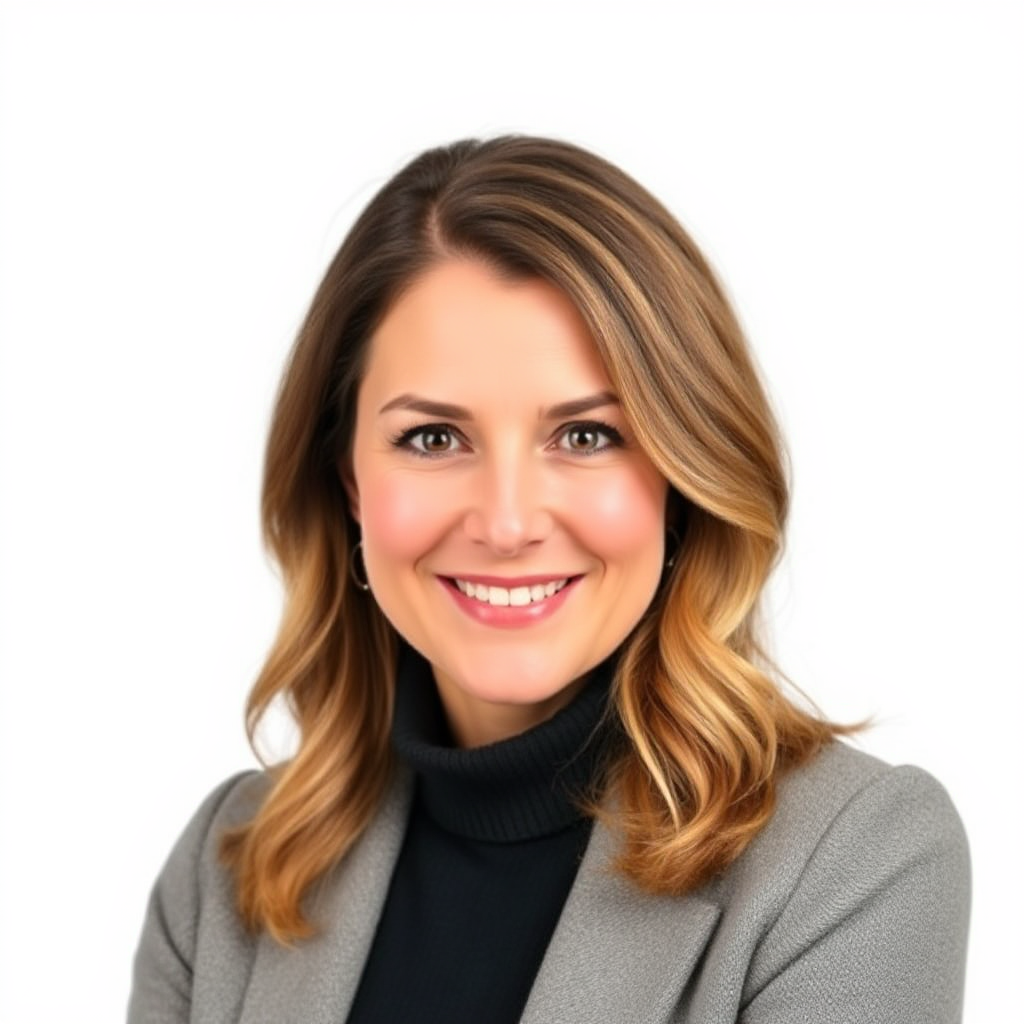

Former Google executive has been officially named as the British Broadcasting Corporation's incoming chief executive.
The ex-president of Google's EMEA division will succeed Tim Davie, who stated his resignation in November after a controversy over how a current affairs show presented a speech by Donald Trump.
BBC chairman Samir Shah stated that Brittin, who departed from Google in 2025 after a long tenure, "offers the BBC extensive experience of guiding a prestigious and complex entity through transformation".
Brittin, 57 remarked he "is eager to begin this task", describing it as "a time of significant danger, yet also real opportunity".
He noted that the UK requires "a robust BBC that benefits all in a complicated, volatile and fast changing world".
Outlining his vision, he continued: "The BBC needs the momentum and drive to be both at the heart of news, and engaging with the public. To enhance the reach, trust and creative strengths currently, confront challenges with bravery, and succeed as a public service suited to the years ahead."
'Major Overhaul'
The chairman described Brittin "an outstanding leader" with "the skills required to navigate the broadcaster through the many changes happening in the media market and in viewer and listener habits".
The BBC chief also praised Brittin's "enthusiasm for the BBC, his understanding of the challenges ahead of the organisation, his commitment to its independence and his drive to uphold the BBC's status as one of the country's most important public institutions".
The new chief arrives at "a pivotal juncture", as the UK government assesses the BBC's governing charter, the chairman continued.
"It is clear there is a requirement for sweeping reform of the BBC, its financial structure and the structure in which it operates. The stakes for the BBC, and the prospects of the PSB model, have never been greater."

The BBC's most senior position is seen to be one of the most challenging in British broadcasting.
During Davie's time in office as the broadcaster's 17th director general, he was responsible for managing a succession of controversies and difficult periods at the organisation.
His priorities will encompass addressing a high-value defamation lawsuit filed by the US president against the BBC.
The former president is challenging the way the documentary spliced two sections of a address he gave on January 6th, for which the BBC has said sorry.
The previous week the organisation urged a legal body to dismiss the case, saying the Panorama programme never aired in the US.
BBC at a Turning Point
The incoming chief arrives at a critical time for the BBC in several areas, too.
He will proceed with discussions with the ministers on the corporation's constitution and the fate of the funding mechanism and corporation financing.
The current charter, which defines the objectives and aims of the BBC's operation, will run out in 2027.
His selection also arrives at a point when the BBC is battling with tech giants in the online content landscape.
The search engine's parent company owns YouTube, with which the BBC not long ago disclosed a major partnership to develop tailor-made content.
Technology Experience a Bonus?
A number of people inside Google "are full of praise" about him, as an inspirational manager and a excellent colleague".
Some have questioned the BBC's appointment someone with a career history in the corporate world rather than public service or established journalistic experience.
However, it is understood that "he's been picked by the BBC Board for his deep understanding of major tech firms. There's an belief he will accelerate the shift to online, for example in journalism. He'll also probably concentrate on transforming and innovating BBC iPlayer."
Ex- senior BBC journalist Peter Barron, who was alongside him at Google, remarked he is "deeply inspired by a sense of serving the public".
"He loves the BBC for its trusted journalism and its originality, but he's also very aware of its legacy as a innovation pioneer.
"His goal is for the BBC to prosper in a climate where many of its greatest difficulties are connected to technology, whether that's the power of the streamers, online disinformation, or merely how audiences wish to watch content.
"Given his track record and contacts within the tech industry, and also the connections he's built with TV networks, the press, regulators and politicians, I think he's extremely well positioned to tackle the challenges."
Who is Matt Brittin?

Hailing in Walton-on-Thames, Surrey, he received a degree from the Cambridge University, while also competing in rowing for them in the university boat race multiple times.
He also raced for Team GB and won|secured|earned


